


Poodle

About Breed
Poodles are smart, dynamic and graceful pets, which have hippoallergenic and curly fur. They are very trainable and are good at obedience and agility among other doggy activities. Their coat must be groomed frequently in order to maintain good health. Poodles are social friendly animals they are like to be part of the human company and to be a part of family life. They are playful, alert and affectionate and make good companions to families who can give them mental stimulation, exercise and care making them create strong bonds with their owners.
Origin
Germany / France
Size
Medium
Ideal Space
Medium Space / Indoors + Yard
Top 5 Traits
- Intelligent
- Energetic
- Playful
- Loyal
- Friendly
Height
28 cms (males)
26 cms (females)
Coat Length
Medium / Curly
Coat Type
Curly Coat
Life Expectancy
12 – 15 years
Ideal Weather
18°C to 28°C
Weight
20 kgs (Male)
18 kgs (Female)
Color
- Black, White, Apricot, Brown
Job & Working Abilities
- Obedience
- Agility
- Therapy
- Companion
- Herding
Allergies & Hypoallergenic Status
- Hypoallergenic
- Low shed
- Skin sensitivity possible
- Low dander
Common Behavior Issues
- Separation Anxiety
- Barking
- Chewing
- Stubbornness
- Hyperactivity
Travel & Adaptability
- High Adaptability / Good Traveller
Characteristics
Poodle can also be a very useful and entertaining companion that is intelligent, lively and highly trainable. It is very inquisitive and will want to investigate the things around it and know more about things, it is sensitive to positive reinforcement and planned training. It is a loving and friendly breed that highly attaches with the family members as it tends to seek their company and attention. It is socially and friendlier and thus can easily relate to children and other pets and hence is an easy choice to be kept in a family house. It is a flexible breed and also able to adapt to the other living conditions; it can live in an apartment or in the yard of a house provided it has enough mental and physical challenge. Sports, playing games, and association is significant to prevent boredom and to stay healthy in general. Overall, this breed is a mixture of intelligence, energy and love which will result in the breed being a loving, loyal and active partner in the homes that are caring and interesting.
Monthly Expenses
Monthly expenses for dogs depend on breed, size, and care requirements. Nutrition costs typically range from ₹3,000 – ₹6,200 per month, influenced by the quality and type of food, as well as the dog’s appetite and dietary needs. Grooming and maintenance average ₹500 – ₹1,300, covering bathing, haircuts, nail care, and coat maintenance, with long-haired or high-maintenance breeds tending toward the higher end. Health-related expenses, including vaccinations, preventive care, and routine veterinary check-ups, generally range from ₹900 – ₹2,000 monthly to ensure the dog’s overall wellbeing. Additional costs for toys, treats, and small accessories add approximately ₹400 – ₹1,000, supporting play, exercise, and mental stimulation. Taken together, the total monthly expenditure usually falls between ₹4,800 – ₹10,500, though premium food, specialized grooming, or extra healthcare can increase these costs. Proper budgeting ensures dogs receive nutrition, hygiene, and healthcare for a happy, healthy, and well-maintained life.
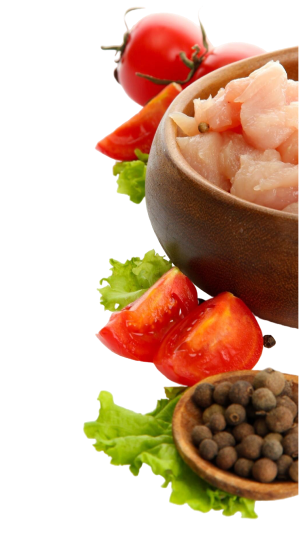
Pet Nutrition
Nutrition Information
The ideal diet that keeps this breed in shape, active and healthy is not high in protein levels, but rather low in fats, and with complex carbohydrates. To the total caloric intake exhibited by age, size and the level of activity, the average diet is usually 900 to 1,400 kcal of which 20 per cent is fats and 40 per cent is carbohydrates. To keep the muscle maintenance, tissue and growth repair and overall growth are maintained with the help of middle quality proteins such as chicken, eggs, fish or lean meats. Fibers are in involved in healthy digestions and uptake of nutrients and complex carbohydrates like brown rice, oats as well as vegetables provide sustained energy. The required vitamins and minerals enhance the immunity and enhance metabolic processes, healthy bones, coat, and skin. To be hydrated, people must make sure they have fresh and clean water. The changes in weight gain or loss are possible up to some percentage of change with regard to the level of activity. Proper dieting also fosters long term health and good body shape of the adult and the senior dogs.
- Puppy - 1100–1600 kcal
- Adolescent - 950–1400 kcal
- Adult - 900–1400 kcal
- Senior - 850–1300 kcal
Calories per day
List of Meat
- Turkey
- Chicken
- Duck
- Turkey Chunks
- Chicken Breast
List of Vegetables
- Kale
- Bell Pepper
- Asparagus
- Celery
- Lettuce
Diet Information
The moderate protein and low-fat type of diet is proposed as the most appropriate one to keep the body healthy and prevent the issue of excess weight. Carbohydrates should take about 40-45 percent of daily diet and provide the body with adequate energy to carry out its daily activities, but does not overload caloric intake. Adequate fiber in the diet is a crucial element that contributes to the healthy digestion process, enhances the state of the gut, and regulates bowel movements. These vitamins and minerals play important roles of maintaining the body in good physiological balance and the strength of the bones and the immune system. Fresh and clean water should be there to ensure good hydration and metabolism. The amount of calories consumed by the day is most commonly between 900kcal to 1400kcal/day based on the size, the age and the metabolism of the dog. The portions should be carefully measured according to the intensity of the activities, lifestyle and health in order to avoid obesity and ensure long-term well being.
- Brown Rice
- Oatmeal
- Quinoa
- Barley
- Pumpkin
List of Carbs
- Apple
- Banana
- Blueberry
- Strawberry
- Raspberry
List of Fruits
- Olive Oil
- Coconut Oil
- Flaxseed Oil
- Fish Oil
- Hemp Oil
List of Fats
Safe Foods
An average protein, low fat diet is the best. Protein is obtained through turkey or chicken, whereas fiber is obtained through carrots or peas. Safer treats include rice or sweet potato which is a source of carbohydrates and safe fruits such as apple. Olive oil or fish oil is keeping the skin and coat flakey.
List of Unsafe Foods
- Chocolate
- Onions
- Caffeine
- Processed Snacks
- Grapes
- Garlic
- Artificial Sweeteners
- Raisins
- Alcohol
- Fried Foods
Unsafe Foods
When it comes to Poodle food there are some things that're really bad for them. Foods that are not safe for Poodle are things like chocolate, alcohol and xylitol. These Poodle foods are very bad.Other foods that are bad for Poodle are grapes, garlic and onions. These foods are detrimental to Poodle.You should not give Poodle foods like splinter bones and fatty delicacies.Also you should not give Poodle undercooked pork or processed meat. These Poodle foods are not good, for them.
Pet Health
Health Information
This is a fairly healthy and versatile breed though can be vulnerable to some of the curable health issues like patellar luxation, ear and dental diseases. Due to these concerns, the veterinary needs to be hired on a regular basis in order to maintain long-term health and comfort. Regular diagnosis is conducted to identify the initial symptoms of joint instability, ear infection, or dental conditions to make sure that they are solved at a young age and given preventive measures. Routine vaccination will be used to avoid common contagious illnesses, routine de-worming and anti-flea-ticks vaccination will be used to avoid parasitic infection that inevitably will cause weakened general immunity and keep the joints strong.Vigorous exercise daily will be used to keep the body in the normal weight and strong joints. The exercises which would contribute to the keeping of the muscles fit without putting a strain on the joints would be the daily walking, light games or interactive games. The proper dosage of movement that is used to prevent obesity that could aggravate the orthopedic issue such as patellar luxation is yet another preventive factor. By brushing it regularly, one will avoid matting, will keep off loose hair and will keep the skin in a very good condition. The lumps or parasites are also visible during the grooming when the problems of the skin are observed early. There must be special consideration that ear hygiene is also focused on since ear infection can be prevented in most cases only by routine ear cleaning in particular in the breeds that have sensitive ears. Restructuring dental care is also being granted priority; brushing of teeth or dental chewings in order to avoid tartar, gum diseases or bad breaths. The bottom-line is proper hydration and healthy environment increases wellness. This breed should not dread old age as this breed can live long, healthy and active with the help of exercise, good feeding, and grooming.
Common Health Issues
- Ear Infections
- Allergies
- Joint Issues
Energy Level
- Moderate
Allergies & Hypoallergenic
- Hypoallergenic
- Low shed
- Skin sensitivity possible
- Low dander
Well Being
- Alert
- Agile
- Playful
Recognizing Stress
- Barking
- Panting
- Pacing
- Hiding
- Trembling
- Licking
- Aggression
- Withdrawal
Exercise Routine
- 45 to 60 minutes
This is a fairly healthy and versatile breed though can be vulnerable to some of the curable health issues like patellar luxation, ear and dental diseases. Due to these concerns, the veterinary needs to be hired on a regular basis in order to maintain long-term health and comfort. Regular diagnosis is conducted to identify the initial symptoms of joint instability, ear infection, or dental conditions to make sure that they are solved at a young age and given preventive measures. Routine vaccination will be used to avoid common contagious illnesses, routine de-worming and anti-flea-ticks vaccination will be used to avoid parasitic infection that inevitably will cause weakened general immunity and keep the joints strong.Vigorous exercise daily will be used to keep the body in the normal weight and strong joints. The exercises which would contribute to the keeping of the muscles fit without putting a strain on the joints would be the daily walking, light games or interactive games. The proper dosage of movement that is used to prevent obesity that could aggravate the orthopedic issue such as patellar luxation is yet another preventive factor. By brushing it regularly, one will avoid matting, will keep off loose hair and will keep the skin in a very good condition. The lumps or parasites are also visible during the grooming when the problems of the skin are observed early. There must be special consideration that ear hygiene is also focused on since ear infection can be prevented in most cases only by routine ear cleaning in particular in the breeds that have sensitive ears. Restructuring dental care is also being granted priority; brushing of teeth or dental chewings in order to avoid tartar, gum diseases or bad breaths. The bottom-line is proper hydration and healthy environment increases wellness. This breed should not dread old age as this breed can live long, healthy and active with the help of exercise, good feeding, and grooming.
Pet Activities:
Engaging your pet in daily walks, fetch, or toys keeps your pet fit, mentally sharp, and well-behaved while strengthening your bond.

Agility & Trick Training (30 mins)
Poodles are extremely intelligent and energetic. Agility courses, puzzle games, and trick training challenge their mind and improve coordination and fitness.
Agility Courses & Fetch Games (30 – 40 mins)
Poodles are highly intelligent and energetic. Agility training, jumping obstacles, and retrieving games help keep them mentally sharp and physically fit.
Obedience Training (20 – 30 mins)
Structured training sessions using commands like sit, stay, recall, and heel help improve discipline and mental stimulation. Poodles are intelligent and eager to please, making obedience training effective and enjoyable.
It has got a curly or a wavy coat which needs to be groomed regularly so that it can maintain a healthy condition and avoid tangles. Washing three or four times a week will prevent matting, trim off any loose hair and will keep the natural texture of the coat. Due to the type of coat, it may be required to have professional grooming after every six to eight weeks so that the coat can be trimmed, formed and controlled to grow properly. Washing is to be done when necessary with the mild dog shampoo to keep the skin healthy. Nails should be trimmed on a regular basis to avoid pain and posture problems and ears cleaned with the aim of preventing infections. Good oral hygiene is supported by dental care, such as brushing the teeth or in dental chews. Regular grooming that will be used to preserve the quality of coats, cleanliness and hygiene in general.
Shedding Level
Moderate
Hygienic Checklist
- Bathing
- Brushing
- Nail Trimming
- Ear Cleaning
- Dental Care
- Coat Check
- Paw Cleaning
- Eye Care
- Anal Gland Check
- Flea/Tick Prevention
- Parasite Control
- Clean Water
- Clean Bedding
- Waste Disposal
- Ventilation
Benefits of Grooming
- Healthy Coat
- Reduced Shedding
- Skin Check
- Early Disease Detection
- Nail Health
- Ear Health
- Dental Hygiene
- Parasite Prevention
- Odor Control
- Comfort
- Bonding
- Stress Reduction
- Appearance
- Circulation
- Hygiene
Compare Poodle with other Breeds

Poodle
Intelligent, Energetic, Playful
Characteristics
Basic Information
Monthly Expenses
More Images of Poodle


.jpg)
