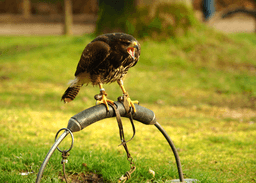
Most people fall in love with pet birds the moment they see one. Bright colors, unique body shapes, tiny feet, curious head tilts, the way they watch you back, stunning feathers, whistles, songs, even words, there's always something that catches you first.
The Amazon parrot is one of them, with stunning green feathers and a voice that talks right back to you.
But before you bring one home, you need to know exactly what you are signing up for.
What Is an Amazon Parrot?
Amazon parrots are a group of medium to large parrot species native to Central and South America and the Caribbean. Most Amazon parrots share a similar body shape and a base green color, with different splashes of yellow, blue, or red depending on the species. They are known for three things: their intelligence, their loud and clear talking ability, and their strong, sometimes stubborn personalities.

Types of Amazon Parrots
There are over 30 recognized Amazon parrot species.
Blue-Fronted Amazon
Popular pet choice, bright blue forehead patch, speaks with impressive clarity, confidence and social once bonded.
Yellow-Naped Amazon
Develops a wide vocabulary quickly and conveys tone very well. Strong-willed and needs consistent, patient training.
Orange-Winged Amazon
Smaller and gentler in temperament than other Amazon species. Great for owners who want a laid back bird.
Yellow-Crowned Amazon
Recognized by the yellow patch on the crown of the head. Playful, intelligent, and picks up words easily.
Imperial Amazon
A rare and critically endangered species found only in Dominica. Imperial Amazons are not commonly available as pets.
"Purple Amazon parrot," "red Amazon parrot," or "rare blue Amazon parrot" are rare and unusual colors.
Amazon Parrot Lifespan
In the wild, Amazon parrots typically live 40 to 50 years. In captivity, with proper diet and veterinary care, many Amazon parrots live 50 to 70 years, and some individuals have lived even longer.
An Amazon parrot is not a short-term pet. It is a long-term agreement. Amazon parrots often end up living longer than their first owners, and are rehomed many times during their lives.
Do Amazon Parrots Talk?
Yes, and they're one of the best talkers in the parrot world, just behind the African Grey.
Most begin to learn sounds and words from 6 months to 1 year old, depending on the bird. Yellow-Naped and Blue-Fronted Amazons especially are known for talking with almost human-like clarity.
How well they talk comes down to:
● How much time you spend with them
● Their individual personality, some are just quieter by nature
● Consistent, positive training
But not all Amazon parrots become talkative. One would prefer to whistle, sing or imitate sounds in the house, such as a ringtone or door bell.
Are Amazon Parrots Good Pets?
Amazon parrots are great companions and close friends, but they're not for everyone.
The good:
● Highly intelligent and entertaining
● Strong talking ability
● Deeply affectionate once bonded with their people
The challenging:
● Can turn aggressive during hormonal or "bluffing" phases
● Powerful bite, can break skin
● Naturally loud, poor fit for apartments
● Often moody, bonds to one person only
Amazon Parrot Diet
What to feed:
- A high-quality pelleted parrot diet as the base
- Fresh vegetables such as carrots, leafy green, and bell peppers
- Fresh fruits in moderation, such as apple, pomegranate and papaya
- Avoid giving too many seeds and nuts as treats, just as little as the main diet
Don't use:
● Avocado (toxic to parrots)
● Chocolate and caffeine
● Onion and garlic
● Salty or fried foods
● Alcohol
One of the most frequently asked questions is, can Amazon parrots eat pineapples or pomegranate? Both are safe in small, fresh amounts and can be a healthy treat.
Amazon Parrot Care
Cage size: Amazon parrots require a large cage, at least 24 by 24 by 36 inches, and should have horizontal bars for climbing. When selecting a size, remember that the larger the better for a bird that will live in your home for many years.
Enrichment: These are intelligent birds that get bored easily. Offer a variety of chew toys, foraging puzzles and out-of-cage time.
Social needs: Amazon parrots need real, daily interaction. Birds kept in a cage for most of the day may become destructive, such as by screaming, plucking feathers, and/or becoming aggressive.
Bathing: Most Amazon parrots enjoy regular misting or bathing, which also helps keep their feathers healthy.
Poop frequency: Like most parrots, Amazon parrots poop frequently, roughly every 15 to 20 minutes while active. This is normal and something new owners should expect and plan for in terms of cage cleaning.
Amazon Parrot Breeding
Amazon parrots usually lay 2 to 4 eggs at a time. They typically breed once a year, often during the warmer months. The exact breeding season can vary depending on the species and where the birds live.
Breeding parrots is not as simple as it may seem. It requires knowledge about the specific species, the right nesting setup, and proper experience. If you're new to bird keeping, it's best to get guidance from an experienced avian breeder or vet before attempting this.
Is an Amazon Parrot Suitable for India's Climate?
Amazon parrots are originally from the warm, humid rainforests of Central and South America. So they are fairly hardy for the Indian climate in comparison to many exotic parrots.
They thrive at a temperature range of 18°C to 28°C, and a humidity of 40% to 60%. Cities like Mumbai, Chennai, Kochi, and Hyderabad have a tropical climate that works well for them.
The biggest challenge comes during North India's extreme summers and winters. In summer, keep the cage away from direct sunlight in a cool, well-ventilated place. During winter, keep your parrot indoors and away from cold drafts. If you use a heater, a humidifier can help prevent the air from becoming too dry.
Monsoon weather is usually comfortable for Amazon parrots because of the higher humidity. As long as the cage area keeps dry and well ventilated, it's fine.
Do you have an Avian Vet?
- In India, the biggest challenge of keeping an Amazon parrot may not be the climate but finding the right vet. These birds require an avian veterinarian who has experience in dealing with bird health concerns, not just a general pet veterinarian.
- Many cities, including Mumbai, Kochi, and Hyderabad, have veterinarians who have experience treating exotic and avian animals. It's easier to find the right specialist in cities and larger communities, but can be more challenging in smaller communities and rural areas.
- Before bringing an Amazon parrot home, find an experienced avian or exotic pet vet in your city. Confirm their experience with large parrots and save their contact details for emergencies.
- While good climate is necessary, access to good medical care is essential for the long-term health of your parrot.
Is It Legal to Own an Amazon Parrot in India?
Yes, you can legally keep an Amazon parrot as a pet in India. Since these parrots are exotic and not native to India, they are not covered by the restrictions on owning native Indian birds under the Wildlife Protection Act, 1972.
But being a homeowner does have legal obligations. Some species of Amazon parrots are under CITES and therefore imported birds must carry appropriate CITES permits along with Indian customs clearance.
Owners of CITES-listed exotic birds are also required to register the birds under Section 49M of the Wildlife Protection Amendment Act, 2022 with the government's PARIVESH 2.0 portal. This is also the duty to report ownership, transfers, births and deaths.
The registration system is already in use, and Amazonian parrots are specifically included in the list of exotic species.
Conclusion
The Amazon parrot is a highly intelligent, communicative, and affectionate pet that makes an ideal companion for the right owner. But their long lifespan, strong personalities, and real care needs mean they are not a casual or impulsive pet choice. An Amazon parrot can be one of the best birds to keep for life if you are ready to provide daily interaction, a suitable diet and a large home.