


Welsh Corgi

About Breed
This entry describes the Pembroke Welsh Corgi, the short-legged cattle dog from Pembrokeshire in south-west Wales, which drove cattle by nipping at their heels and ducking under their kicks. It was shown together with the Cardigan in the 1920s and became a separate breed with the Kennel Club in 1934. The FCI standard describes it as bold, workmanlike, outgoing and friendly, never nervous or aggressive, with a foxy head and alert expression. Queen Elizabeth II's lifelong devotion made it world-famous. It is sturdy, clever and lively, sheds a lot and gains weight easily.
Origin
Wales (United Kingdom)
Size
Small
Ideal Space
Flat or House
Average Price
₹60,000–₹1,80,000
Top 5 Traits
- Bold
- Outgoing
- Friendly
- Alert
- Intelligent
Height
25-30 cms (males)
25-30 cms (females)
Coat Length
Medium
Coat Type
Double coat
Avg Monthly Expenses
₹4,650 (Basic)
₹11,000 (Premium)
Life Expectancy
12–13 years
Ideal Weather
8°C to 26°C
Weight
10-12 kgs (Male)
9-11 kgs (Female)
Color
- Red
- Sable
- Fawn
- Black
- Tan
- White
Job & Working Abilities
- Cattle Herding
- Farm Dog
- Herding Trials
- Agility
- Obedience
- Family Companion
Allergies & Hypoallergenic Status
- Not hypoallergenic
- Heavy shedding
- Heavy undercoat
- High dander
- Hot spots
Common Behavior Issues
- Heel Nipping
- Persistent barking
- Food Obsession
- Pet Bossiness
- Stubborn streak
Travel & Adaptability
- Very Good
- Low-Stationed
- Step-Assisted
- Car-Easy
Characteristics
The Pembroke is cheerful, affectionate and very people-oriented, yet it keeps the confident, bossy streak of a cattle dog. It is quick to learn and loves food rewards, though it may decide to do things its own way. It is an alert watchdog that barks at visitors and noises, and may try to herd children or other pets by nipping at heels, which needs gentle redirection. It is happiest with daily activity and a job to do. After the monsoon, the safest pattern is to book regular checks rather than waiting for a crisis, when basic food is about ₹2,750.
Monthly Expenses
An adult Pembroke usually eats about 150 to 220 g of kibble a day, which costs about ₹2,000 to ₹3,500 a month for a mid-range food or ₹4,500 to ₹7,500 for an imported premium one. Routine vet care with vaccines, deworming and tick prevention is about ₹1,000 to ₹1,800 a month, or ₹2,500 to ₹4,500 with hip, eye and DNA screening. Brushes, rakes and shampoo add ₹300 to ₹700 a month, rising to ₹1,000 to ₹2,000 when a groomer does the deshedding. Basic care totals about ₹3,300 to ₹6,000 a month and premium care ₹8,000 to ₹14,000.
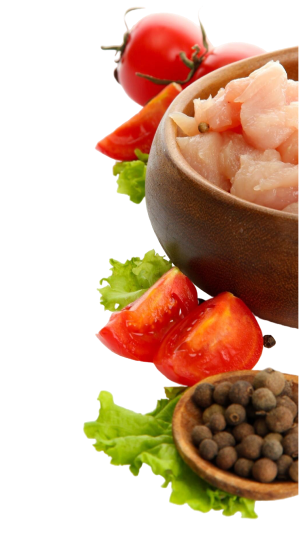
Pet Nutrition
Nutrition Information
An adult Pembroke of 9 to 12 kg typically needs about 550 to 750 kcal a day, toward the lower end if neutered or less active. Pick a weight-management or moderate-fat food with 22 to 26 per cent protein. This breed gains weight very easily, and extra weight strains its long back, so measure every meal and check that a waist is visible. Through the year, experience shows you should record weight and appetite so a change is obvious, when basic food is about ₹2,750. That habit, across a life of 12–13 years, makes vet visits shorter and calmer.
- Puppy - 450–650 kcal
- Adolescent - 600–850 kcal
- Adult - 550–750 kcal
- Senior - 450–620 kcal
Calories per day
List of Meat
- Chicken Breast
- Boiled Egg White
- Deboned Fish
- Lean Mutton (small amounts)
- Low-Fat Paneer
List of Vegetables
- Lauki
- Pumpkin
- Cucumber
- Green Beans
- Carrot
Diet Information
The Welsh Corgi weighs about 9 to 12 kg and needs roughly 550 to 750 kcal a day, but it is a big eater in a small body and gains weight very easily. Its long back and short legs make it prone to intervertebral disc disease, and degenerative myelopathy also affects many older Corgis, so keeping the dog lean is the best way to protect its spine and mobility. Feed two measured meals, choose low-calorie treats such as cucumber, carrot or a little boiled egg white, and weigh the dog every month. Hip dysplasia is also seen, which adds to the case for a slim body.
- Rice (small portions)
- Oats
- Ragi
- Sweet Potato
- Barley
List of Carbs
- Pear
- Blueberries
- Apple (cored)
- Papaya
- Muskmelon
List of Fruits
- Fish Oil
- Salmon Oil
- Flaxseed Oil
- Coconut Oil (tiny amounts)
- Krill Oil
List of Fats
Safe Foods
List of Unsafe Foods
- Grapes
- Xylitol
- Macadamia Nuts
- Fatty Scraps
- Raisins
- Onion
- Caffeine
- Sweets
- Chocolate
- Garlic
- Alcohol
- Fried Snacks
Unsafe Foods
Pet Health
Health Information
Pembrokes are hardy but have several known risks. Their long back and short legs make intervertebral disc disease a real concern, and most carry the FGF4 gene variant linked to it. Degenerative myelopathy, a painless but progressive hind-leg paralysis, usually appears in old age, and a DNA test identifies at-risk dogs. Hip and elbow dysplasia, von Willebrand disease (a bleeding disorder) and obesity are also seen. From the first year, a careful keeper will treat kitchen scraps as a risk, not a reward, on monthly costs near ₹4,650 to ₹11,000.
Common Health Issues
- Disc disease
- Spinal degeneration
- Hip dysplasia
- Elbow dysplasia
- Von Willebrand disease
- Obesity risk
Allergies & Hypoallergenic
- Not hypoallergenic
- Heavy shedding
- Heavy undercoat
- High dander
- Hot spots
Well Being
- Herding Trials
- Cattle Work
- Agility Training
- Obedience Work
- Farm Play
- Bonding
Recognizing Stress
- Excessive barking
- Herding
- Nipping
- Begging
- Restlessness
- Destructive chewing
Exercise Routine
- 60 minutes
Energy Level
- Moderate to High
Pembrokes are hardy but have several known risks. Their long back and short legs make intervertebral disc disease a real concern, and most carry the FGF4 gene variant linked to it. Degenerative myelopathy, a painless but progressive hind-leg paralysis, usually appears in old age, and a DNA test identifies at-risk dogs. Hip and elbow dysplasia, von Willebrand disease (a bleeding disorder) and obesity are also seen. From the first year, a careful keeper will treat kitchen scraps as a risk, not a reward, on monthly costs near ₹4,650 to ₹11,000.
Vaccination Details:
6–8 weeks
First DHPPi core shot, given along with deworming.
10–12 weeks
The Pembroke pup has its second DHPPi plus a first leptospirosis jab.
14–16 weeks
Third DHPPi, leptospirosis booster and the first rabies vaccine are given together.
12–16 months
A first-year booster of DHPPi, leptospirosis and rabies, with re-vaccination every year afterwards.
Pet Activities:
Engaging your pet in daily activities keeps your pet fit, mentally sharp, and well-behaved while strengthening your bond.
Brisk walks (30–40 min)
Take a brisk walk on the level, at a trot the short legs can sustain, and skip steep hills as daily work. Corgis were cattle heelers, so they like a purposeful outing, but the long back does not need repeated climbing. Keep the waist lean, and lift the dog into the car.
Flat ground (15–20 min)
Play herding-style or fetch games only on flat ground, with short runs and a settle between them. Flat work uses the breed's drive without asking the discs to take repeated jumps. No sofa leaping afterwards, and stop if the dog hunches or cries.
Food puzzles (10–15 min)
Give a food puzzle or a stuffed toy on the floor, and let the dog problem-solve after the walk. Puzzles occupy a bright herding mind when you cannot add more physical work. Keep the calories counted, because a corgi will work for food and then still want dinner.
The Pembroke has a medium-length, weather-resistant double coat that sheds constantly and heavily in spring and autumn. Brush two or three times a week with a slicker brush and undercoat rake, and daily during the heavy sheds. Bathe every month or two, never shave the coat, and keep nails short and ears clean. Through the year, it is worth the effort to handle mouth, ears and feet until it is routine, when daily energy is near 550–750 kcal. That small discipline, across a life of 12–13 years, fits a busy Indian household without special equipment.
Shedding Level
Moderate to High
Hygienic Checklist
- Weekly brushing
- Daily deshedding
- Undercoat raking
- Nail trim
- Ear cleaning
- Tooth brushing
- Paw-hair trimming
- Tick checks
- Occasional bath
Benefits of Grooming
- Removes loose undercoat
- Prevents mats by brushing
- Detects ticks early
More Images of Welsh Corgi



Welsh Corgi Fun Facts
- The Kennel Club first recognised Corgis in the 1920s as one breed and separated the Pembroke from the Cardigan in 1934.
- Many Pembrokes are born with a natural bobtail, unlike the long-tailed Cardigan.
- Queen Elizabeth II received the Pembroke Susan for her 18th birthday in 1944, and Susan's descendants made up the royal line for about 15 generations.
- It worked as a cattle drover, nipping at the heels of cattle, and the FCI places it among the sheepdogs and cattle dogs.
Similar Breeds
Cardigan Welsh Corgi

Shetland Sheepdog
FREQUENTLY ASKED QUESTIONS
Pembroke puppies typically sell for about ₹60,000 to ₹1,80,000, and KCI-registered pups are usually above ₹1,20,000.
Compare Welsh Corgi with other Dog Breeds

Welsh Corgi
Bold, Outgoing, Friendly