


About Breed
The Pomeranian is a miniature puffball, who is full of personality Their small size notwithstanding, they are brave, inquisitive, and want to be in the limelight. They are lovely pets, with a heavy two-coloured coat, a fox-like expression and a playful nature. These miniature champions are intelligent, keen and quite courageous, so they are good company to live in an apartment you merely must expect a certain amount of sarcasm and feather in your day-to-day life!
Origin
Poland and Germany
Size
Toy
Ideal Space
Apartment
Top 5 Traits
- Playful
- Energetic
- Intelligent
- Loyal
- Protective
height
16.5-18 cms (males)
15-16.5 cms (females)
Coat Length
Long
Coat Type
Double coat
Life Expectancy
12 - 16 years
Ideal Weather
15°C to 30°C
Weight
1.4-3.2 kgs (Male)
1.4-3.2 kgs (Female)
Color
- Orange
- Black
- White
- Cream
- Blue
- Beaver
- Chocolate
- Wolf sable
Job & Working Abilities
- Excellent companion and therapy dog; Performs well in obedience training; Agile in competitions and sports; Alert watchdog with keen senses
Allergies & Hypoallergenic Status
- Not Hypoallergenic; Heavy Shedding; Prone to Allergies; Sensitive Skin
Common Behavior Issues
- Separation anxiety when alone; Excessive barking and alertness; Stubborn and strong-willed streak; Can be wary of strangers or pets
Travel & Adaptability
- Very adaptable
- great travel companion; Perfect for small apartments or homes; Sensitive to heat and cold extremes; Needs care during long outdoor trips
Characteristics
Pomeranians are lively little toys with personalities. They love to be involved in all activities of their humans and follow them wherever they go. They are small but they are sure of themselves, mischievous and very faithful. They are also intelligent and curious and thus they learn fast but the stubborn nature might have to be trained out. Another characteristic of these fluffy charms is their watchdog-like barking and high energy hence the need to play with them daily. Although they get along well with families and other pets under the socializing aspect, they may be reserved to strangers. They need to be groomed frequently as the brown coats which they wear are feathery, yet their tender nature and brave spirit make the time well worth it.
Pet Nutrition
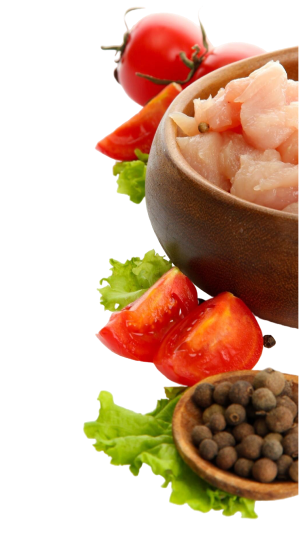
Pomeranians have to be given a balanced diet depending on their small size and inactive lifestyle. They usually base their diet on 40-50 % of carbohydrates that supply the body with the necessary energy and fiber to keep their play and everyday activities active. Protein is also a requirement, and it comprises approximately 25 to 30 % of their food since it maintains, grows, and keeps muscles and the general health. Their percentage of fats (10-16) is an essential part of keeping their skin and coats healthy and supplying essential fatty acids, such as Omega-3 and Omega-6. Moreover, they should include 6 to 8 % of the necessary vitamins and minerals to enhance immune system, bone density and metabolism. On the whole, the Pomeranians require approximately 300-400 kilocalories pe day, but the number varies according to age activity, and medical requirements. A balanced diet will make them energetic, happy and healthy in all their life stages.
- Puppy - 300 - 400 kcal
- Adolescent - 350 - 450 kcal
- Adult - 300 - 400 kcal
- Senior - 250 - 350 kcal
Calories per day
List of Meat
- Chicken
- Turkey
- Beef
- Lamb
- Pork
- Duck
- Rabbit
List of Vegetables
- Carrots
- Beans
- Pumpkin
- Cucumber
- Lettuce
Diet Information
Provide a well-balanced high quality protein, healthy fat and digestible carbohydrate diet that is supplemented with essential vitamins and fresh clean water always. Select high quality kibble, tightly balanced wet food or accurately measured home cooked meals, changing the amounts and schedule of food depending on the age, weight and activity of your dog. It is important to avoid toxins, such as chocolate, onions, and grapes, and also, it is essential to switch new foods gradually during 7 -10 days. Puppies, elderly dogs, overweight dogs and dogs with allergies might require diets and certain supplements recommended by veterinarians. A shiny coat, normal energy, good appetite, and normal, comfortable digestion are indications of a successful life in the event that you find that something is wrong, your veterinarian should be consulted.
- Millets
- Moong Dal
- Oats
List of Carbs
- Apples ( without seeds )
- Bananas
- Blueberries
- Strawberries
- Watermelon
- Cantaloupe
- Pears
- Raspberries
List of Fruits
- Chicken Fat
- Beef Fat
- Fish Oil
- Olive Oil
- Flaxseed Oil
- Chia Seeds
List of Fats
Safe Foods
Dogs can be fed healthy foods such as different lean meat products, vegetables, and healthy grains. Basic proteins in cooked beef, lamb, turkey, chicken, duck, venison, rabbit and egg whites are good. Fiber and nutrients are found in vegetables that include carrots, green beans, pumpkin, cucumber, and lettuce. The complex carbohydrates (oats, millets and moong dal) provide long-lasting energy. Apples, bananas, blueberries, strawberries, watermelon and papaya are some of the fruits that make healthy snacks. Adequate fats obtained through fish oil, olive oil, flax oil as well as small portions of chia seeds provide omega fatty acids to the skin and coat.
- Chocolate
- Grapes
- Cooked bone
- Raw salmon
- Snake meat
- Lemons
- Essential oil
- Alcohol
List of Unsafe Foods
- Onions
- Raisins
- Raw pork
- Sausages
- Turtle meat
- Limes
- Butter
- Garlic
- Avocado
- Raw fish
- Deli meats Ham
- Frog legs
- Grapefruit
- Fried foods
Unsafe Foods
Dogs should never be fed chocolates, grapes, raisins and cherries those are toxic to the dog. Onions, garlic and leeks are the cause of anemia and avocado disturbs the stomach. Raw pork, fish and processed meat such as ham, and sausages are a threat because they have parasites, salt and fat. Bones that have been cooked are splintered and damaged. Fish with high levels of mercury like shark and swordfish, sweetened cereals, baked goods, and fried foods are to be avoided. It is better to avoid essential oils, coconut oil, and palm oil to avoid digestive upset and pancreatitis. Exotic meat like turtle, frog legs, snake, horse and the whales are also unsafe. Do not eat white bread, pasta or meals heavy with quinoa.
Pet Health
Common Health Issues
- Hip Dysplasia; Canine Distemper; Kennel Cough; Parvovirus Infection
Energy Level
- High
Allergies & Hypoallergenic
- Not Hypoallergenic; Heavy Shedding; Prone to Allergies; Sensitive Skin
Well Being
- Exercise; Agility Training; Bonding; Socialization; Games
Recognizing Stress
- Changes in appetite; Excessive barking; Pacing continuously; Heavy panting; Reluctance to move; Increased laziness; Decreased playfulness; Whining or whining; Avoiding eye contact
Exercise Routine
- 40 to 60 minutes
Health care of a Pomeranian is a commitment and it requires frequent care to ensure the dog is happy and healthy. Health costs typically cost 900-1800 a month, which includes basic health checkups, vaccines, and preventive treatment. Pomeranians are not hypoallergenic and shed a lot of fur thus leading to skin sensitivities and allergies in case they are not effectively controlled. The stress signs that should be observed include food consumption, excessive barking, pacing, heavy panting, resistance to move, increased laziness, decreased playfulness, whining or avoiding eye contact since they are signs of discomfort. They may experience such common health issues as ear infections, hip dysplasia, canine distemper, kennel cough, and parvovirus infection. Being very active, they require an average of 40-60 minutes of exercise daily, in form of brisk walks, agility training and interactive plays to keep themselves fit and mentally alert. Vaccinations begin at an early age with the vaccination of DHPPIL, leptospirosis and rabies, and an annual booster is taken to ensure a good level of immunity. Wellness visits vary depending on age where frequent visits to the puppy center involve vaccinations and behavior, the adult visits occur once per year involving dental care and weight management whereas the elderly visits are two times per year to check on the health of the joints, vision, and nutrition. As you show your Pomeranian consistent care and love, he or she will have a fruitful, happy and healthy life.
Health care of a Pomeranian is a commitment and it requires frequent care to ensure the dog is happy and healthy. Health costs typically cost 900-1800 a month, which includes basic health checkups, vaccines, and preventive treatment. Pomeranians are not hypoallergenic and shed a lot of fur thus leading to skin sensitivities and allergies in case they are not effectively controlled. The stress signs that should be observed include food consumption, excessive barking, pacing, heavy panting, resistance to move, increased laziness, decreased playfulness, whining or avoiding eye contact since they are signs of discomfort. They may experience such common health issues as ear infections, hip dysplasia, canine distemper, kennel cough, and parvovirus infection. Being very active, they require an average of 40-60 minutes of exercise daily, in form of brisk walks, agility training and interactive plays to keep themselves fit and mentally alert. Vaccinations begin at an early age with the vaccination of DHPPIL, leptospirosis and rabies, and an annual booster is taken to ensure a good level of immunity. Wellness visits vary depending on age where frequent visits to the puppy center involve vaccinations and behavior, the adult visits occur once per year involving dental care and weight management whereas the elderly visits are two times per year to check on the health of the joints, vision, and nutrition. As you show your Pomeranian consistent care and love, he or she will have a fruitful, happy and healthy life.
Pet Activities:
Engaging your pet in daily walks, fetch, or toys keeps your pet fit, mentally sharp, and well-behaved while strengthening your bond.

Daily Walks (20 - 30 mins)
Short, brisk walks twice a day help burn energy, stimulate senses, and promote good behavior. Perfect for their small size and active nature.
Interactive Play (15 - 20 mins)
Games like fetch, tug-of-war, or puzzle toys engage their mind and body, reducing boredom and strengthening your bond with your Pom.
Training Sessions (10 - 15 mins)
Short, positive reinforcement-based training keeps their intelligence sharp, teaches good manners, and provides mental exercise to tire them out.
A Pomeranian also requires grooming in order to remain healthy and happy. They have moderate shedding with a thick double coat which may be higher during change of seasons hence regular brushing of the body is necessary to maintain the loose hair and avoid mats. The average grooming costs are between 1,200 and 1,800 rupees each monthly which includes bathing, brushing, cleaning teeth, cleaning ears and eyes, and trimming nails. These procedures not only keep the area clean but they also prevent infection and evil smell. Adequate grooming is necessary to control shedding, keep them smelling fresh, and make them more comfortable in their everyday lives, and presentable.
Shedding Level
Moderate Shedding
Hygienic Checklist
- Bathing
- Brushing
- Teeth Care
- Ear Cleaning
- Eye Care
- Nail Trimming
Benefits of Grooming
- Maintains cleanliness
- Prevents infections
- Reduces shedding
- Controls body odor
- Prevents bad breath
- Improves quality of life
More Images of Pomeranian


