


About Breed
The Golden Retriever is a popular family pet being gentle, faithful, and likes to make people happy. Their favourite activities are walks and playing fetch and being present in all family events. They are intelligent and friendly, and are good respondents to training and are very good with kids and other pets. This thick coat has to be brushed regularly. They are loving, trustworthy and full of happy energy with proper attention.
Origin
United Kingdom
Size
Large
Ideal Space
House with outdoor space
Top 5 Traits
- Friendly
- Reliable
- Intelligent
- Obedient
- Loyal
height
56-61 cms (males)
51-56 cms (females)
Coat Length
Medium
Coat Type
Double
Life Expectancy
10 - 12 years
Ideal Weather
15º to 30ºC
Weight
27-36 kgs (Male)
25-32 kgs (Female)
Color
- Golden
- Dark Golden
- Light Golden
Job & Working Abilities
- Service & Therapy Dogs
- Search & Rescue (SAR)
- Hunting & Retrieving
- Detection Work
Allergies & Hypoallergenic Status
- Not Hypoallergenic
- Produces dander
- Sheds regularly
- Flea Saliva allergens
- Pollen allergies
Common Behavior Issues
- Separation Anxiety
- Excessive Barking
- Chewing Issues
- Leash Pulling
Travel & Adaptability
- Good Travel Companions
- Adaptable to Environments
- Enjoys New Experiences
- Comfortable with Change
Characteristics
Golden Retrievers are intelligent, loyal, and sociable dogs hence being very popular. They are social and like to be in the company of other dogs and other animals. They are said to be very playful and soft and are great to have around, particularly to a family with children. Golden Retrievers are also highly trainable and are very much willing to please, which makes them good in areas such as service, therapy and search-and- rescue operations. They are active and should have workout regularly, like doing outdoor activities and can adjust to various living conditions. They are healthy and loving though they shed regularly.
Pet Nutrition
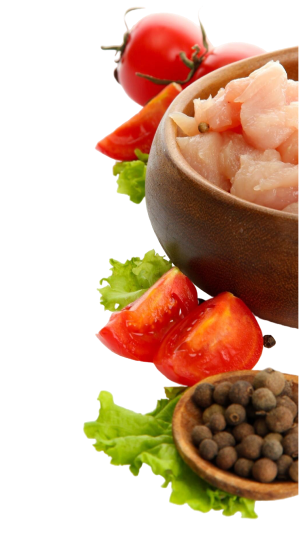
The Golden Retrievers need a balanced diet in order to remain healthy and active. They have an ideal diet consisting of approximately 30 -50 % carbohydrates as a way of maintaining energy, 22 -28 % protein to build and maintain the muscles, and 10-15 % fats to provide healthy skin, coat, and energy. Besides that, 5 - 8% is to be provided by important vitamins and minerals to promote the functioning of immune systems, bones and organs. The daily average energy requirement of an adult Golden Retriever is an average of 1,200 or 1,500 kilocalories, but this may change depending on the age, size and activity. Active and young puppies use more calories and the elderly use fewer with high protein. The right diet will keep your Golden active, at a good weight and will prevent such common health problems as obesity or joint problems. It is important to ensure that they are adjusted to nutrition with time through regular guidance by a veterinarian.
- Puppy - 1,200 - 1,600 kcal
- Adolescent - 1,500 - 2,000 kcal
- Adult - 1,200 - 1,500 kcal
- Senior - 900 - 1,300 kcal
Calories per day
List of Meat
- Chicken
- Turkey
- Beef
- Lamb
- Pork
- Duck
- Rabbit
List of Vegetables
- Carrots
- Beans
- Pumpkin
- Cucumber
- Lettuce
Diet Information
To ensure long term health and vitality of a dog have to Provide high-quality protein, healthy fats and digestible carbs in a balanced diet, with the necessary vitamins, and offer fresh and clean water at all times. Select the best kibble, well chosen wet food or carefully measured home-cooked meals, and change the quantity and the feeding schedule to the age, weight, and activity of your dog. Stop toxins such as chocolate, onions, and grapes, and introduce new foods in a slowing 7 - 10 days time. Puppies, old dogs, fat dogs and allergic dogs might require vet-approved diets or special supplements. Success is indicated by a shiny coat, constant energy, hearty eating and regular and comfortable digestion check with your veterinarian in case of any problems.
- Millets
- Moong Dal
- Oats
- Rice
List of Carbs
- Apples (without seeds)
- Bananas
- Blueberries
- Strawberries
- Watermelon
- Cantaloupe
- Pears
- Raspberries
List of Fruits
- Chicken Fat
- Beef Fat
- Fish Oil
- Olive Oil
- Flaxseed Oil
- Chia Seeds
List of Fats
Safe Foods
Dogs can be fed on safe foods such as cooked meat, vegetables and healthy grains. Beef, lamb, turkey, chicken, duck, rabbit and egg whites are good sources of protein. Carrot, beans, pumpkin, cucumber, and lettuce vegetables provide fibre and nutrients. Oats, millets and moong dal are complex carbs that provide long lasting energy. Apples, bananas, blueberries, strawberries, watermelon and papaya are all fruit treats, and nutritious. Fish oil, olive oil, flaxseed oil and small portions of chia seeds provide healthy fats that provide omega fatty acids to the skin and coats.
- Chocolate
- Grapes
- Cooked bone
- Raw salmon
- Ham
- Frog legs
- Butter
List of Unsafe Foods
- Onions
- Raisins
- Raw pork
- Sausages
- Snake meat
- Citrus fruits
- Fried foods
- Garlic
- Avocado
- Raw fish
- Deli meats
- Turtle meat
- Essential oil
Unsafe Foods
Avoid feeding chocolates, grapes, raisins, cherries, these are poisonous. Onions, garlic, and leaks cause anaemia and avocado irritates the stomach. Raw pork, fish and processed meat foods such as bacon, ham and sausages are dangerous because of parasites, salt and fat. Bones which are cooked break and damage. To be avoided are fish with high contents of mercury like shark and sword fish, sweetened cereals, baked goods and fried foods. Avoid all the essential oils, coconut oil and palm oil to avoid digestive upsets and pancreas problem. Turtle, frog legs, snake, horse and whale are also dangerous as exotic meats. Avoid feeding on white bread, pasta or quinoa-intensive meals.
Pet Health
Common Health Issues
- Hip Dysplasia
- Elbow Dysplasia
- Heart Disease (seniors)
- Skin Allergies
Energy Level
- Very High
Allergies & Hypoallergenic
- Not Hypoallergenic
- Produces dander
- Sheds regularly
- Flea Saliva allergens
Well Being
- Exercise
- Agility Training
- Bonding
- Games
- Socialization
Recognizing Stress
- Lip licking
- Panting hard
- Yawning
- Avoids eye contact
- Fear posture
- Pacing
- Whining
- Tail low
- Avoids touch
Exercise Routine
- 60 to 90 minutes
Golden Retriever is an active, affectionate dog which requires attention every day to be fit and skilled. Their daily routine activities such as fetch, swimming or puzzle games keep them fit and sharp mentally they need to exercise between 60 and 90 minutes daily. They are not hypoallergetic although they are friendly and social. They lose much hair and they make skin flakes and they are allergic to the Flea saliva, thus may not be the best suited to allergy prone homes. You can pay 1500-2250 monthly on their health where you can check them, groom them and administer any prevalent conditions such as hip/elbow dysplasia, eye cases, heart conditions or skin allergies. Routine check-ups at the vet are necessary every 3 - 4 weeks of puppy-hood is to be spent on vaccinations and instructions, and annually on maturity, and once a year when the animal has more weight. Immunizations such as DHPPIL, Bordetella and Rabies start at the age of 6 and proceeds to adulthood with booster shots. Look out to measles of stress like yawning, licking lips or blinking eyes, all signs of the need to be attended to or have a pleasant place to be. All in all, their health relies on regular practices, socialization, bonding, mental stimulation, and prompt veterinary attention to enable them enjoy a happy and healthy life.
Golden Retriever is an active, affectionate dog which requires attention every day to be fit and skilled. Their daily routine activities such as fetch, swimming or puzzle games keep them fit and sharp mentally they need to exercise between 60 and 90 minutes daily. They are not hypoallergetic although they are friendly and social. They lose much hair and they make skin flakes and they are allergic to the Flea saliva, thus may not be the best suited to allergy prone homes. You can pay 1500-2250 monthly on their health where you can check them, groom them and administer any prevalent conditions such as hip/elbow dysplasia, eye cases, heart conditions or skin allergies. Routine check-ups at the vet are necessary every 3 - 4 weeks of puppy-hood is to be spent on vaccinations and instructions, and annually on maturity, and once a year when the animal has more weight. Immunizations such as DHPPIL, Bordetella and Rabies start at the age of 6 and proceeds to adulthood with booster shots. Look out to measles of stress like yawning, licking lips or blinking eyes, all signs of the need to be attended to or have a pleasant place to be. All in all, their health relies on regular practices, socialization, bonding, mental stimulation, and prompt veterinary attention to enable them enjoy a happy and healthy life.
Pet Activities:
Engaging your pet in daily walks, fetch, or toys keeps your pet fit, mentally sharp, and well-behaved while strengthening your bond.

Fetch & Recall Games (20 - 30 mins)
Boosts obedience and energy, making training fun and rewarding for your Golden Retriever.
Puzzle Toys & Brain Games (15 - 20 mins)
Engages your Dog's mind with interactive challenges that promote mental stimulation.
Swimming Sessions (30 - 40 mins)
Low-impact exercise that keeps your Golden active, healthy, and happy in the water.
Golden Retrievers also have thick hair and shed lots of it so they can be brushed each day to avoid tangled hair and to lose the loose hair. It is necessary to bath every 6 -8 weeks with mild or vet-suggested shampoos. Alcohol should dry his coat after bathing. Their floppy ears are prone to collecting dirt and water hence clean them once a week with an safe liquid that is by the vet to avoid infection. Keep their nails trimmed in order to prevent sore feet during walking.
Shedding Level
High Shedding
Hygienic Checklist
- Bathing
- Brushing
- Ear Cleaning
- Eye Care
- Nail Trim
- Teeth Clean
Benefits of Grooming
- Improves Cleanliness
- Enhances Life Quality
- Reduces Pet Odor
- Prevents Bad Breath
- Stops Skin Infection
- Controls Shedding
More Images of Golden Retriever


