


About Breed
Doberman Pinscher is a smooth, strong and loyal body build. This elegant breed is as fashionable as brave and in an athletic body. The Doberman, being known as an obedient and alert breed, performs well in homes that are active, intelligent and disciplined. Home defense or running beside you, this loyal companion is a serviceable companion who is ever at home, heart, muscle and just the right amount of class.
Origin
Germany
Size
Large
Ideal Space
House with outdoor space
Top 5 Traits
- Energetic
- Fearless
- Intelligent
- Loyal
- Protective
height
66-71 cms (males)
61-66 cms (females)
Coat Length
Short
Coat Type
Smooth
Life Expectancy
10 - 15 years
Ideal Weather
18°C to 30°C
Weight
40-45 kgs (Male)
32-35 kgs (Female)
Color
- Black with rust
- Red with rust
- Blue with rust
- Fawn (Isabella) with rust
Job & Working Abilities
- Excels in Police & Military Duty
- Top-notch Guard & Watch Abilities
- Skilled in Rescue & Search Ops
- Shines in Agility & Obedience
Allergies & Hypoallergenic Status
- Not Hypoallergenic
- Prone to rashes
- Dry skin common
- Needs clean diet
Common Behavior Issues
- Prone to separation anxiety
- Strong guarding instincts
- Needs consistent training
- May show dominance early
Travel & Adaptability
- Adapts well with early social training
- Needs spacious homes to feel at ease
- Not suited for cold without warm gear
- Thrives best in consistent routines
Characteristics
Doberman Pinschers have a high energy, smart stomach, which needs to be balanced with a diet. They should be fed on 30-45 percent carbohydrates which are the energy givers to their body and alertness of mind in their daily activities. Protein is essential and it comprises 25-35% of their diet, which provides them with muscle capacity and general well-being. The fats are healthy with 15-25 which gives it a shiny coat and aids the brain. Necessities such as vitamins and minerals, approximately 5-10 percent, guarantee good bones, immunity and energy. An average Doberman adult should have an average of 900-1300 kcal per day depending on the level of activity, age, and size and keep them fit and active.
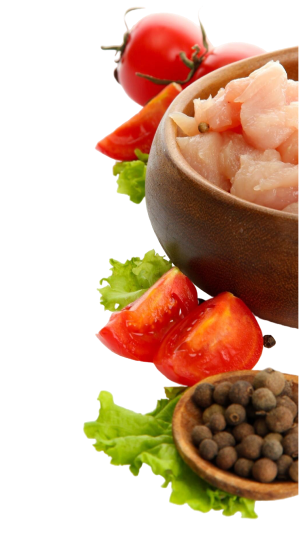
Pet Nutrition
Doberman Pinschers are active, sportive dogs which are able to survive on a balanced and nutritious diet. To maintain their active lifestyles, they should consume 35 -45 percent of carbohydrates, 25 -35 percent of protein, and 20 30 percent of healthy fats in their meals in order to get enough energy and to maintain the coats of their bodies. Vitamins and minerals are necessary and make it up to approximately 5 -8 percent of their daily intake to be healthy. The average adult Husky needs 1,200 - 1,500 kcal/day of energy based on the level of activity and life stage. Huskies have a working-dog history, and therefore they have nutrient-rich meals which aid in endurance, metabolism and immune health. It is equally important to drink a lot of water and eat in moderation. All these make a well-fed Husky more energetic and happier, besides being better prepared to face the training, changes in weather, and everyday adventures.
- Puppy - 1,200 - 1,800 kcal
- Adolescent - 1,400 - 2,000 kcal
- Adult - 900 - 1,300 kcal
- Senior - 700 - 1,000 kcal
Calories per day
List of Meat
- Chicken
- Turkey
- Beef
- Lamb
- Pork
- Duck
- Rabbit
List of Vegetables
- Carrots
- Beans
- Pumpkin
- Cucumber
- Lettuce
Diet Information
Provide a high protein diet full of nutritious and good fats and digestible carbohydrates with all the important vitamins and you should always have access to fresh and clean water. Select high quality kibble, carefully-designed wet food or home-cooked meals (with the correct amount of food and feeding schedule based on age, weight and activity of your dog). It is important to avoid toxins such as chocolate, onions and grapes and to move to new foods slowly within 7 -10 days. Such patients as puppies, elderly, overweight dogs, and allergic dogs can require diets or special supplements approved by the vet. A shiny coat, steady energy, good appetite, and normal, comfortable digestion are all signs of success provided you do not notice any complication and in such a case, visit your veterinarian.
- Millets
- Moong Dal
- Oats
- Rice
List of Carbs
- Apples ( without seeds )
- Bananas
- Blueberries
- Strawberries
- Watermelon
- Cantaloupe
- Pears
- Raspberries
List of Fruits
- Chicken Fat
- Beef Fat
- Fish Oil
- Olive Oil
- Flaxseed Oil
- Chia Seeds
List of Fats
Safe Foods
Dogs can get safe foods which consist of lean meats, vegetables and healthy grains. protein is obtained with cooked beef, lamb, turkey, chicken, duck, rabbit, and egg whites. The vegetables which provide fiber and nutrients include carrots, green beans, pumpkin, cucumber and lettuce. Elaborate carbohydrates such as oats, millets, and moong dal provide a long lasting energy. Apples, bananas, blueberries, strawberries, watermelon and papaya fruits are healthy snacks. Fish oil, olive oil, flax seed oil, and a little chia help in providing omega fatty acids to the skin and coats.
- Chocolate
- Grapes
- Cooked bone
- Raw salmon
- Ham
- Frog legs
- Grapefruit
- Fried foods
List of Unsafe Foods
- Onions
- Raisins
- Raw pork
- Sausages
- Snake meat
- Lemons
- Essential oil
- Alcohol
- Garlic
- Avocado
- Raw fish
- Deli meats
- Turtle meat
- Limes
- Butter
Unsafe Foods
Foods that are not to be given to dogs include chocolate, grapes, raisins, or cherries which result in toxicity. Onions, garlic and leeks cause anemia and avocado displeases the stomach. Uncooked pork, fish and processed meat such as ham and sausages are unsafe because of parasites, salt and fat. Bones burn and fracture when cooked. High levels of mercury fish, shark and swordfish, sweetened cereals, baked goods and fried foods should be avoided. Avoid essential oils, coconut oil and palm oil to avoid digestion disturbance and pancreatitis. Other exotic foods like turtle, frog legs, snake, horse, whale are also dangerous. Do not consume pasta, quinoa, and white bread rich meals.
Pet Health
Common Health Issues
- Hip Dysplasia
- Bloat
- Parvovirus
- Parasites
Energy Level
- High energy
Allergies & Hypoallergenic
- Not Hypoallergenic
- Prone to rashes
- Dry skin common
- Needs clean diet
Well Being
- Exercise
- Agility Training
- Bonding
- Games
- Socialization
Recognizing Stress
- Appetite loss
- Intense stare
- Pacing around
- Growling
- Lip licking
- Panting hard
- Tail tucked
- Trembling
- Freezes
Exercise Routine
- 90 to 120 minutes
Dobermans are lively smart animals that do well in regards to approximately 90-120 minutes of daily physical activity. Their bodies are in shape and their minds sharp because of activities such as agility courses, obedience training and scent or puzzle games. Because they are not hypoallergenic, and may be subject to dry skin, or rashes, it is actually very important to feed them clean and balanced diet with the aim of maintaining good health. Also, it is important to notice the symptoms of stress, including loss of appetite, pacing, extreme stare, trembling, or even licking lips so that you could make your Doberman feel safe and relaxed. They are also susceptible to health complications such as hip dysplasia, bloat, heartworms, parvovirus and parasites and therefore regular visits to the veterinary and full course of vaccines are not only necessary throughout the life of the puppy till adulthood but also during the later years of the adult life cycle. Wellness checkups assist in identifying issues at an early stage, such as dental services and geriatric issues. Averagely, monthly health costs amount to 1200-1950 rupees. With exercise, training, and lots of bonding time, you will make your Doberman remain happy, healthy, and will be well attached with you many years.
Dobermans are lively smart animals that do well in regards to approximately 90-120 minutes of daily physical activity. Their bodies are in shape and their minds sharp because of activities such as agility courses, obedience training and scent or puzzle games. Because they are not hypoallergenic, and may be subject to dry skin, or rashes, it is actually very important to feed them clean and balanced diet with the aim of maintaining good health. Also, it is important to notice the symptoms of stress, including loss of appetite, pacing, extreme stare, trembling, or even licking lips so that you could make your Doberman feel safe and relaxed. They are also susceptible to health complications such as hip dysplasia, bloat, heartworms, parvovirus and parasites and therefore regular visits to the veterinary and full course of vaccines are not only necessary throughout the life of the puppy till adulthood but also during the later years of the adult life cycle. Wellness checkups assist in identifying issues at an early stage, such as dental services and geriatric issues. Averagely, monthly health costs amount to 1200-1950 rupees. With exercise, training, and lots of bonding time, you will make your Doberman remain happy, healthy, and will be well attached with you many years.
Pet Activities:
Engaging your pet in daily walks, fetch, or toys keeps your pet fit, mentally sharp, and well-behaved while strengthening your bond.

Advanced Obedience Training (45 - 60 mins)
Dobermans excel in advanced obedience tasks. Engage them in structured training sessions with commands, agility drills, and impulse control games to enhance discipline, stimulate their mind, and strengthen bonding.
Agility Courses & Fetch (30 - 45 mins)
Set up agility circuits with hurdles, tunnels, and weave poles. Include fetch to keep their muscular build active. These fun and fast-paced workouts improve coordination, reduce boredom, and fulfill their working instincts.
Scent Work & Puzzle Toys (20 - 30 mins)
Dobermans enjoy using their keen senses. Hide treats or use food-dispensing toys to challenge their minds. This encourages focus, relieves stress, and supports their natural tracking and problem-solving abilities.
To maintain healthy and comfortable dobermans, they must be groomed on a regular basis. They will cost around 700-1200 in grooming fees on a monthly basis. An extensive grooming regime involves the bathing, brushing, cleaning the ears, taking care of the eyes, teeth, and nails. Grooming keeps them clean, destroys infections, smell and shedding is moderate in this breed. They also enjoy the improved quality of life because of frequent care and prevention of bad breath. Although Dobermans possess short coats, it is also vital to brush the dog frequently to keep the skin in good shape and eliminate loose hair. Grooming also helps to maintain your relationship with your Doberman as well as to make them look and feel their best.
Shedding Level
Moderate Shedding
Hygienic Checklist
- Bathing
- Brushing
- Ear Cleaning
- Eye Care
- Teeth Care
- Nail Trimming
Benefits of Grooming
- Cleanliness
- Prevents infections
- Odour control
- Reduces shedding
- Better quality of life
- Prevents bad breath
More Images of Doberman Pinscher


